
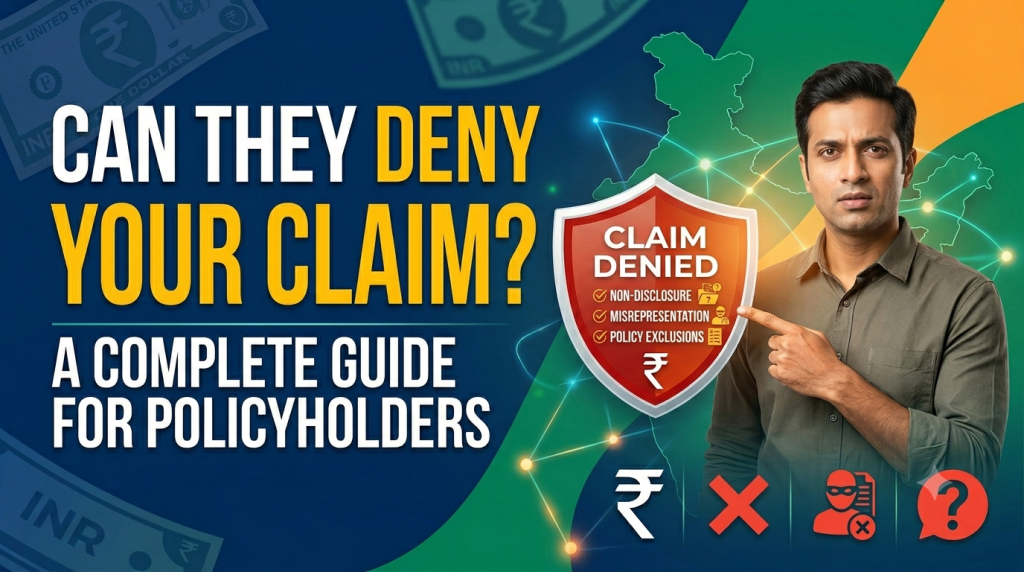
Getting a claim denied by your insurance company in the time of need can feel like a punch in the core, especially when you’ve paid premiums timely,continuously and believed you were covered. But insurance companies don’t reject claims randomly —there are specific, legally defined and binding reasons they can deny coverage. Understanding these reasons not only helps you avoid common mistakes but also empowers you to challenge unfair denials if they occur according to consumer protection.
Understanding Insurance Claim Denials: The Basics
Before diving into specific examples, it’s important to understand what a claim denial actually means. When an insurance company denies a claim, they reject coverage for your loss. They base this decision directly on your signed policy contract.
That contract explicitly details what your policy covers and excludes. Insurance policies are legal contracts binding both you and your insurer.
Both parties must fulfill specific contractual obligations. If you break terms or request excluded coverage, the insurer can deny your claim. Under these conditions, you cannot successfully sue your insurer for their denial
Common Reasons Insurance Companies Deny Claims
- Lack of Coverage or Policy Exclusions
One of the most important reasons for claim denial is that the specific type of loss or damage simply isn’t covered under your policy you have taken. Every insurance policy comes with a list of exclusions—situations or types of damage that are not covered under the policy terms and conditions.
Standard homeowners insurance covers damage from fire, wind, and basic water issues. However, standard policies explicitly exclude flood damage.
If a flood damages your home without separate flood insurance, the company denies your claim.
Similarly, auto policies exclude damage from commercial activities like ride-sharing. Your insurer requires a specific endorsement to cover commercial vehicle use.
Without that approval, your insurer will reject claims during commercial driving.
It’s very crucial to read your policy documents carefully and understand what’s excluded. Many policyholders assume their insurance covers everything. They discover policy exclusions only after experiencing a major loss.
Avoid making this common mistake with your own insurance coverage. Confidently ask your agent about all policy exclusions.
You have every right to request and receive this critical information.
- Non-Payment of Premiums
Insurance coverage is contingent on the timely payment of premiums.Missing a premium payment causes your policy to lapse or cancel. Consequently, your insurer will not cover any losses during that gap.
Insurers usually provide a grace period before cancelling your coverage. They must also send you formal notices regarding non-payment.
However, coverage ends if you fail to pay during the grace period.
This is one of the most preventable reasons for claim denials. Setting up automatic payments or calendar reminders can help ensure you never miss a premium payment. If you’re experiencing financial hardship, contact your insurance company immediately—they may be able to offer payment plans or other options to keep your coverage active.
- Misrepresentation or Fraud on the Application
When you apply for insurance, you’re required to provide accurate and complete information about yourself, your property, or your vehicle. This information is used to estimate the risk and determine your premium for the policy. If an insurer discovers false or misleading application details later, they can deny your claim. They may even cancel your policy entirely due to material misrepresentation.
For instance, homeowners often understate their home’s true rebuild value. Drivers frequently fail to disclose past traffic accidents or previous claims.
Others hide home business operations while holding standard homeowners policies. Insurers view these omissions as fraud and reject related claims. Even unintentional omissions can be considered misrepresentation if they materially affect the risk the insurer is taking on.
The key here is full disclosure about the information. When in doubt, it’s always better to over-disclose information on your application rather than risk a claim denial later.
- Failure to Report the Claim in a Timely Manner
Insurance policies require policyholders to report claims within a reasonable timeframe after the loss occurs. What constitutes “reasonable” can vary by policy and state, but delays in reporting can give the insurance company grounds to deny your claim.
The reason for this requirement is practical: insurance companies need to investigate claims while evidence is still fresh and available. If you wait weeks or months to report a car accident, for example, it becomes much harder for the insurer to verify what happened, assess damages, and determine liability.
Most policies specify a timeframe for reporting claims, often using language like promptly or as soon as reasonably possible. If you’re unsure, report the claim immediately—even if you don’t have all the details yet. You can always provide additional information later, but you can’t undo the damage caused by waiting too long to notify your insurer.
- Lack of Sufficient Documentation or Evidence
When you file a claim, the burden of proof is on you to demonstrate that the loss occurred and that it’s covered under your policy. This means providing documentation such as photos of damage, police reports, repair estimates, medical records, or receipts for stolen items.
If you fail to provide adequate documentation, the insurance company may deny your claim due to insufficient evidence. For example, if your home is burglarized and you claim that 10,00,000 worth of electronics were stolen but can’t provide receipts, photos, or any other proof of ownership, the insurer may question the validity of your claim.
To avoid this pitfall, maintain good records of your valuable possessions. Take photos or videos of your home and belongings, keep receipts for major purchases, and store important documents in a safe place (or digitally). After a loss, document everything thoroughly before cleaning up or making repairs.
Violation of Policy Conditions or Warranties
Insurance policies often include specific conditions or warranties that policyholders must follow to maintain coverage. These can range from maintaining certain safety features in your home to agreeing not to leave your vehicle unattended with the engine running.
If you violate these conditions and a loss occurs, the insurance company can deny your claim.Your homeowners policy might require maintaining heat in winter to prevent frozen pipes. If you fail to maintain heat, your insurer may reject resulting water damage claims.
Similarly, auto policies often restrict how you use your vehicle. For instance, you might agree to use your car only for personal trips.
If you start delivering goods, you violate your policy terms. Your insurer may then refuse coverage for any accident during delivery.
Always review your policy conditions carefully and make sure you can comply with them. If your circumstances change and you can no longer meet certain conditions, contact your insurance company to discuss your options.
Intentional or Criminal Acts
Insurance is designed to protect against accidental losses, not the intentional ones. If the insurance company determines that you have intentionally caused damage or loss to the insured product you’re claiming, they will deny your claim even if you paid the whole premiums on the time..
For example, if you set fire to your own home to collect the insurance money, that’s totally unacceptable. It can be also stated as a criminal act—and your claim will be denied. Similarly, if you stage a car accident or intentionally damage your vehicle, you’re committing insurance fraud, which can result in claim denial, policy cancellation, and even criminal charges.
The same principle applies if a loss occurs during criminal activity. For instance, driving under the influence of drugs or alcohol constitutes illegal behavior.
If you crash while driving intoxicated, your auto insurer may deny your claim. Consequently, your policy will not cover your injuries or vehicle damage
Wear and Tear or Maintenance Issues
Insurance policies cover sudden and accidental losses, not damage that results from normal wear and tear or lack of maintenance which basically means depreciation. If your claim is for damage that could have been prevented through proper upkeep, the insurance company can deny it.
For example, if your roof leaks because you haven’t replaced worn shingles over the years, that’s a maintenance issue, not a covered peril. Similarly, if your car breaks down because you never changed the oil, that’s not something auto insurance will cover—it’s considered a mechanical failure due to neglect.
The line between covered damage and maintenance issues can sometimes be blurry, which is why it’s important to maintain your property and vehicles properly. Regular maintenance not only prevents unexpected breakdowns but also helps ensure that legitimate claims aren’t denied due to pre-existing conditions.
What to Do If Your Claim Is Denied
Receiving a claim denial doesn’t necessarily mean the end of the road. Here are steps you can take if you believe your claim was wrongfully denied:
Review the denial letter carefully. Insurance companies are required to provide a written explanation for claim denials, including the specific policy provisions or reasons for the decision. Read this letter thoroughly to understand exactly why your claim was denied.
Gather additional evidence. If your claim was denied due to insufficient documentation, you may be able to appeal the decision by providing additional evidence. This could include photos, witness statements, expert opinions, or other documentation that supports your claim.
Request a reconsideration. Most insurance companies have an internal appeals process. Contact your insurer and ask for a reconsideration of your claim, providing any additional evidence or arguments that support your position.
File a complaint with your state insurance department. If you believe your insurance company is acting unfairly or in bad faith, you can file a complaint with your state’s insurance regulatory agency. They can investigate your complaint and may be able to help resolve the dispute.
Consult with an attorney. If your claim involves a significant amount of money or if you believe the insurance company is acting in bad faith, it may be worth consulting with an attorney who specializes in insurance law. They can review your case, advise you on your legal rights, and represent you if necessary.
Preventing Claim Denials: Best Practices for Policyholders
The best way to avoid claim denials is to be proactive and informed. Here are some best practices to follow:
Read and understand your policy. Don’t just sign the documents and file them away. Take the time to read your policy carefully, paying special attention to coverage limits, exclusions, and conditions. If you don’t understand something, ask your insurance agent or broker to explain it.
Maintain accurate records. Keep detailed records of your possessions, property condition, and any communications with your insurance company. This documentation can be invaluable if you need to file a claim.
Report claims promptly. Don’t wait to report a loss to your insurance company. The sooner you report, the sooner the investigation can begin, and the less likely you are to run into issues with timely reporting requirements.
Be honest and transparent. Always provide accurate and complete information on your insurance applications and claims. Honesty is not only the best policy—it’s also the best way to ensure your coverage remains valid.
Maintain your property. Regular maintenance and upkeep can prevent many types of damage that insurance won’t cover due to wear and tear or neglect.

Final Thoughts
Insurance claim denials can be frustrating and financially devastating, but they’re often preventable with the right knowledge and preparation. By understanding the common reasons insurance companies deny claims and taking proactive steps to protect your coverage, you can significantly reduce the risk of facing a denial when you need your insurance most.
Remember, your insurance policy is a contract, and both you and your insurer have obligations under that contract. Fulfill your responsibilities, stay informed about your coverage, and don’t hesitate to advocate for yourself if you believe a claim has been wrongly denied. With the right approach, you can navigate the claims process with confidence and peace of mind.